Need Help? Free Consultation
(888) 508-6205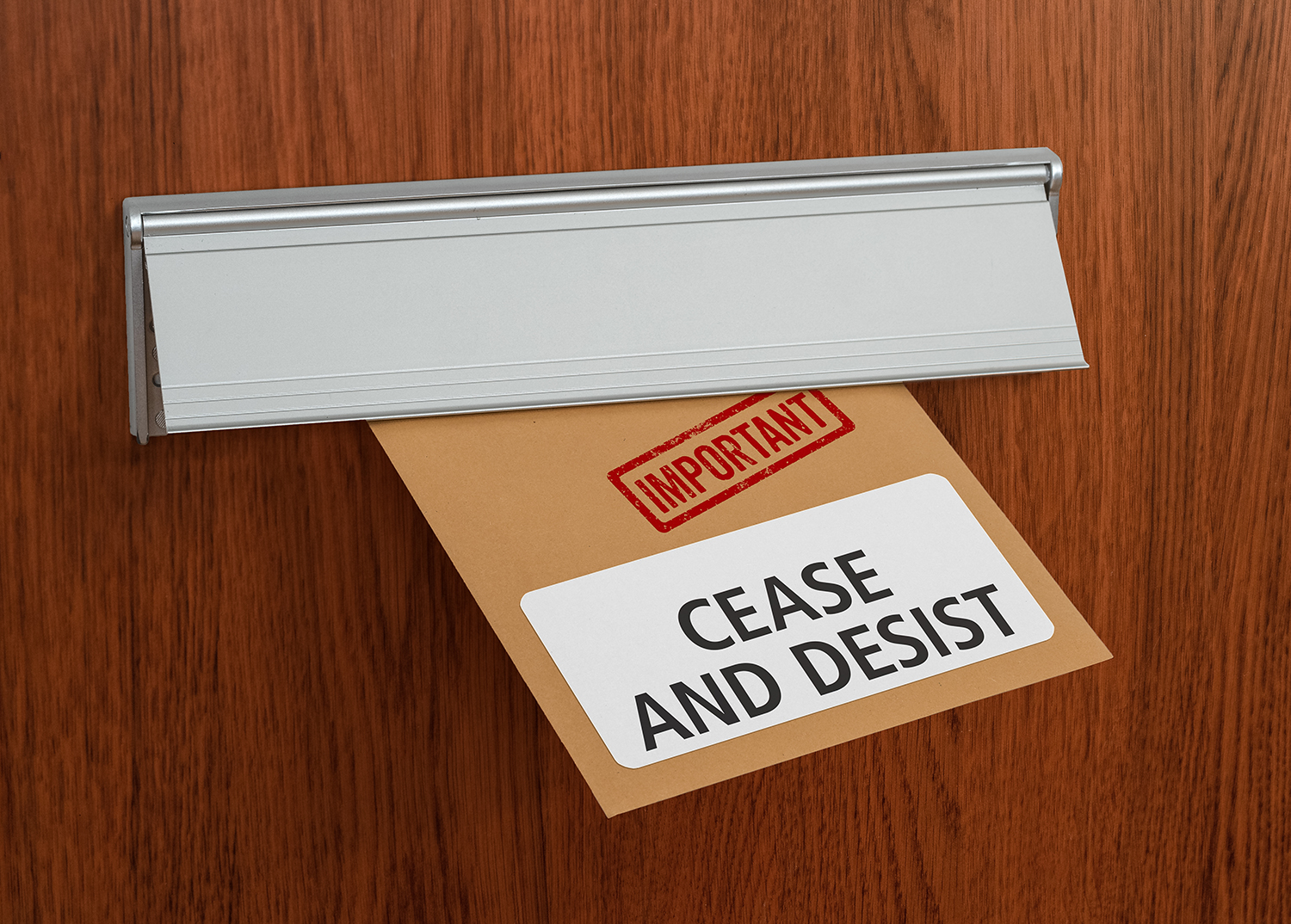
If you’re receiving constant calls or threatening letters from a debt collector, you’re likely feeling overwhelmed and frustrated. The good news is that under the Fair Debt Collection Practices Act (FDCPA), you have the right to put a stop to debt collection harassment. One powerful tool at your disposal is a Cease and Desist Letter.
At American Legal Shield, we help individuals exercise their rights and stop unlawful collection tactics. This blog explains what a cease and desist letter is, how it works under the FDCPA, and how you can use it to protect yourself.
What Is a Cease and Desist Letter?
A cease and desist letter is a formal written notice that instructs a debt collector to stop contacting you. Under the FDCPA, once a debt collector receives this letter, they are legally required to stop most forms of communication with you. They are only allowed to contact you one final time to confirm they will stop communicating or to notify you of legal action they intend to take.
When Should You Send a Cease and Desist Letter?
You should consider sending a cease and desist letter if:
- You’re receiving frequent or harassing phone calls
- The collector is contacting you at work after being told not to
- You feel overwhelmed, stressed, or intimidated by their communication
- The debt may not even be valid, or you’re unsure if it’s yours
- You want all future communication in writing only
This letter won’t erase the debt, but it can stop the harassment and give you breathing room to explore your options.
Your Rights Under the FDCPA
The FDCPA is a federal law that protects consumers from abusive debt collection practices. It restricts what collectors can say and how they can contact you.
Your rights under the FDCPA include:
- The right to request debt verification
- The right to dispute the debt within 30 days of first contact
- The right to send a cease and desist letter to stop contact
- The right to be free from threats, profanity, and deception
Debt collectors who violate these rights can face legal consequences, and you may be eligible for compensation.
How to Write a Cease and Desist Letter
A cease and desist letter doesn’t need to be complicated, but it should be clear and formal. Make sure to include your full name and contact information, the name of the debt collector and their company, a statement requesting all communication to stop, and a reference to your rights under the FDCPA.
Always send the letter by certified mail and keep a copy for your records.
What Happens After You Send It?
Once the collector receives your cease and desist letter:
- They must stop all further contact except for legal notices
- They may no longer call, email, or send letters about the debt
- If they continue contacting you, they are breaking the law
If a collector violates your request, you may be entitled to statutory damages of up to $1,000, plus actual damages and legal fees.
Need Help? Contact American Legal Shield
Writing and sending a cease and desist letter can be intimidating, especially if you’re already stressed by harassment. At American Legal Shield, we make the process easier by:
- Drafting legally sound letters on your behalf
- Communicating with debt collectors for you
- Filing complaints with the CFPB or FTC
- Taking legal action if your rights are violated
We’re here to help you protect your peace of mind and take control of your situation.
Contact Us Today
Phone: (888) 508-6205
Email: [email protected]
Final Thoughts
A cease and desist letter is a simple yet powerful way to protect yourself from debt collection harassment. If you’re being contacted day and night by aggressive collectors, don’t wait. Take action today by sending a formal request backed by the law.
Need help writing or sending your cease and desist letter? Reach out to American Legal Shield. We’re ready to stand up for your rights.